About PSU Data-Driven Human Resource Analytics System
The System
The general objective of this endeavor is to develop a web-based data-driven human resource analytics system for Pangasinan State University by utilizing multiple artificial intelligence (AI) agents, namely Hiring, Upskilling, and Planning AI Agents which will individually focus in fulfilling each HR functions that include talent acquisition, skills and competencies alignment, and succession planning, respectively, which form the three major component of the system.
The Talent Acquisition system component is composed of modules that include Job Creation, Job Posting, Applicant Registration, Job Applications, Requirements Processing, Skills Extraction, Job Matching, Recommender System, Interview Scheduling, Application Management, and On-Boarding modules. Three AI-based analytics will be deployed to simultaneously run with Skills Extraction, Job Matching, Recommender System modules and will form part as the sub-agents of the Hiring AI Agent.
Meanwhile, the Skills and Competencies Alignment system component is consisted of system modules which include Employee Skills Dashboard, Career Path Planning, and Performance Evaluation which will handle personnel data and information processing of the newly accepted and existing employees of the university. An Upskilling AI Agent will be deployed to be the core data analytics for Career Path Planning which will guide employees about the most equitable career path they can take to realize promotional plan based on performance evaluation, upskilling, and additional competencies acquired or planned to obtain by the employee in a period of time.
The third major component of the data driven human resource analytics system, the Succession Planning, deals with personnel data processing intended for promotions, personnel requisitions amd movement, appointments, budget, and turnover. The Planning AI Agent, which is a forecasting analytics will be deployed as part of the Succession Planning modules to predict annual salaries and wages budget and salary increases due to forecasted promotions.
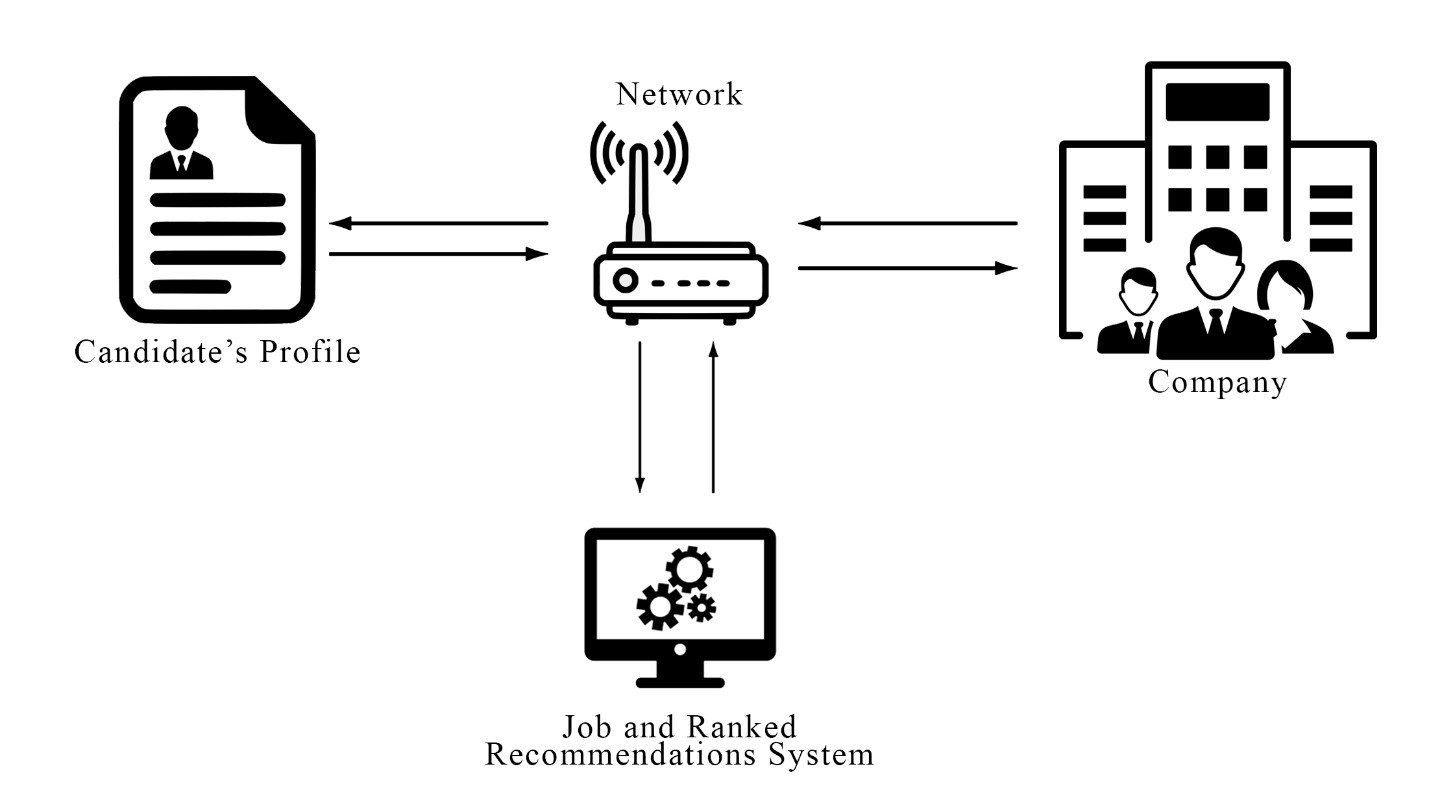
Network Architecture of Data-Driven Human Resource Analytics System
The backend of the system will be built using PHP and MySQL while the fronted will employ HTML, JavaScript, jQuery, and CSS.
Data for modelling each AI agent will be coming from resumés or curriculum vitae of applicants, applicants' profile, existing university personnel profile and personnel data sheet (PDS), HR Career Plan, past performance evaluation results, and skills listing. Other forms of data gathering techniques that will be used will also incorporate survey, interviews, Internet and library research.
The system development will utilize Agile development model tandemned with Scrum method to guide the researcher-developer from requirements analysis to Implementation. A User Acceptability Test (UAT) will be conducted to evaluate the proposed system's functional suitability, performance efficiency, compatibility, usability, reliability, security, maintainability, and portability based on quality attributes standards of ISO/IEC 25010
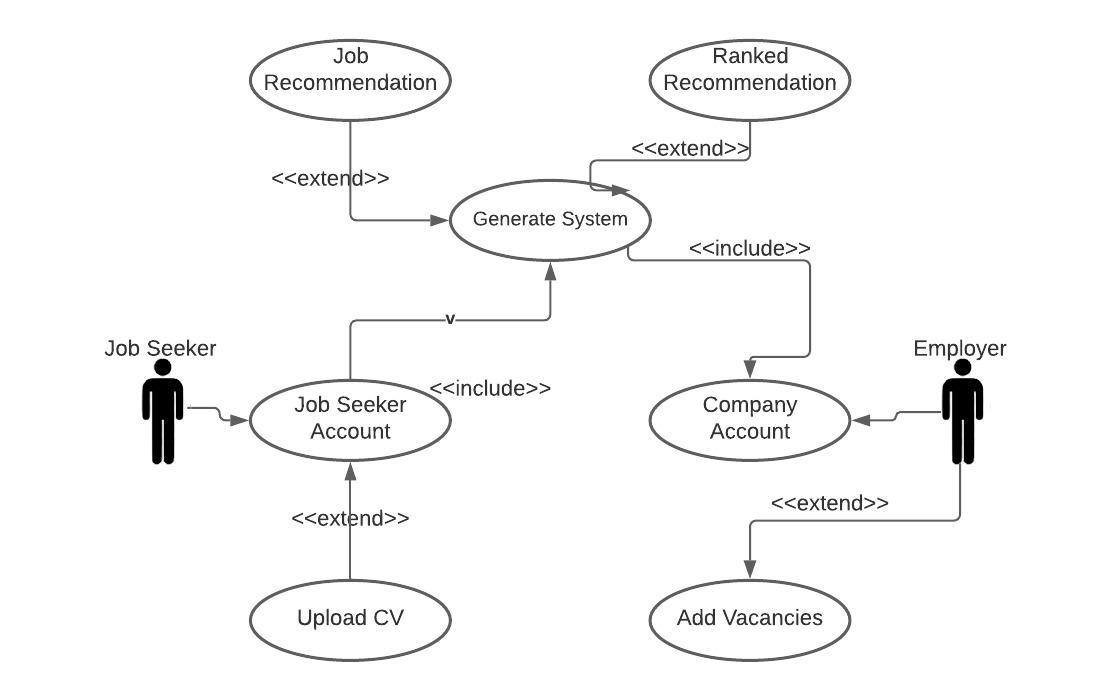
Use Case Diagram of Data-Driven Human Resource Analytics System